Welcome to Rodrigues Island
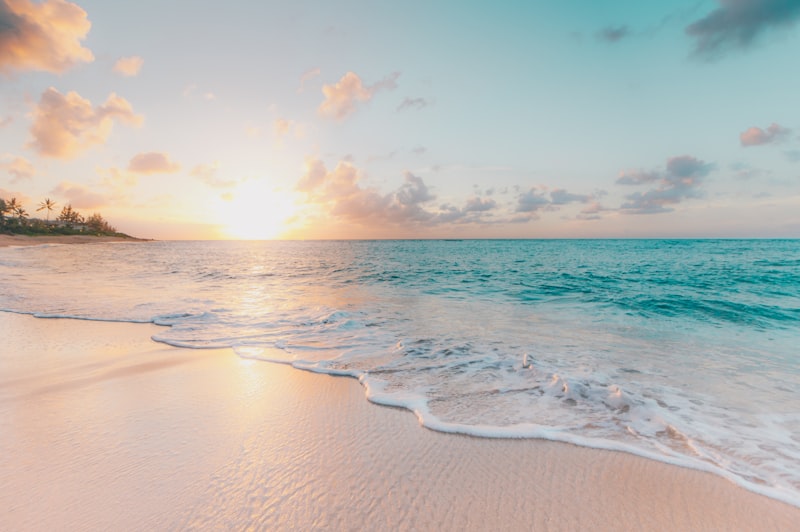
No traffic, no chain hotels, no agenda. Just a reef, a lagoon and an island that rewards the travellers who actually make the effort to get here.
Rodrigues is easy to travel independently. These guides cover everything from booking your flight to knowing which beach to visit first.
Flights from Mauritius, ferry options, what to book and when. The only practical ways to reach the island.
Read the guide →Hotels, guesthouses, eco-lodges and area guides. From $45 to $300 per night — honestly reviewed.
Browse accommodation →Beaches, snorkeling, tortoise reserves, caves, kitesurfing and Creole culture. The full agenda.
Explore activities →Beaches, food, history, wildlife and hidden gems. The deeper context that makes the island richer.
Explore the island →Flight deals, hotel discounts, tour packages and travel insurance. Curated and verified.
See current deals →Who we are, how we work, our editorial standards and how to get in touch. No press trips.
Meet the team →Most visitors reach Rodrigues via Mauritius. If you're planning a Mascarene trip, our sister guide covers the main island — and why adding Rodrigues makes the whole trip better.
The island isn't for everyone. Here's how to know if it's for you — and what to prioritise when you get there.
Quiet beaches, sunset dinners, and no crowds. The anti-resort honeymoon for people who'd rather have the island to themselves.
Safe lagoon swimming, giant tortoises, gentle adventure. A family trip that doesn't involve theme parks or all-inclusive buffets.
One of the safest solo destinations in the Indian Ocean. Small enough to feel manageable, interesting enough to stay busy.
Not five-star international, but genuine luxury: private beaches, personal service, and the rarest commodity of all — silence.
Trou d'Argent, Île aux Cocos, Anse Ally — real beaches, not beach clubs. No loungers, no queues, just the lagoon doing its thing. The snorkeling rivals anywhere in the Indian Ocean, and the only thing you're competing with for space is the occasional giant tortoise.
Sega tambour music at dusk, fresh grilled fish from morning markets, and villages where people still wave from their doorsteps. Walk among giant tortoises at François Leguat, kitesurf the lagoon by afternoon, and watch the sun set over the cliffs with no plan for tomorrow.
Explore the Island →No sunbeds, no beach bars, no queues. Just reef, sand and water clean enough to see the bottom from twenty metres up.
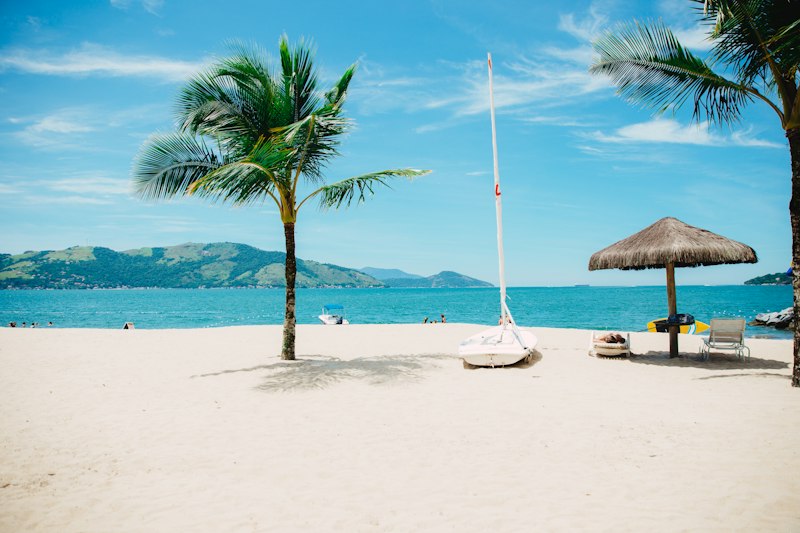
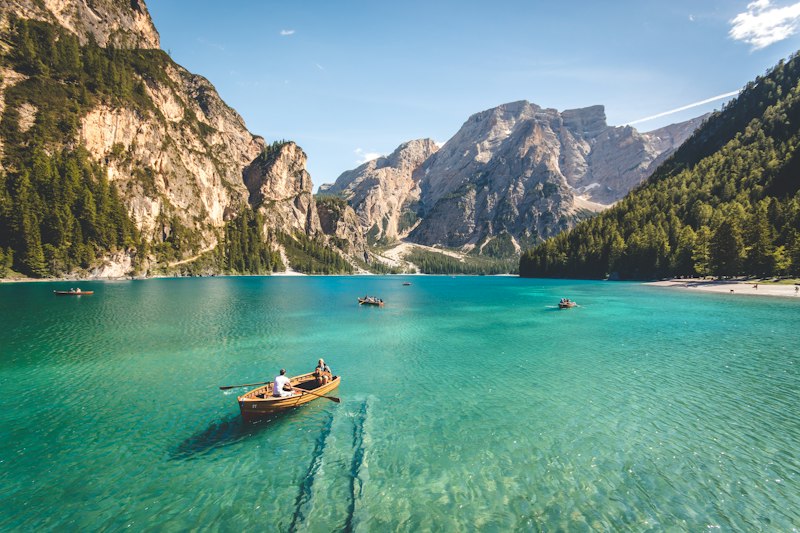
The flagship beach. Accessible only by a 20-minute hike from the road, which is the entire reason it stays empty. The coral is in excellent condition and the cliffs are dramatic.
Best Snorkeling Hike RequiredThe quietest beach on the island. Protected from the trade winds, the water is reliably flat and the sunsets are the best on Rodrigues. Almost no one comes here.
Most Secluded Best SunsetsA sheltered cove where local families swim on weekends. The water is clear, the entry is easy and the volcanic boulders give the beach real character.
Family Friendly Easy AccessCovers the island properly — beaches, nature, culture and a free afternoon to do nothing. Updated June 2026.
Best of the island without rushing. Tortoises, the lagoon, a boat trip and real Creole food.
Morning flight, check in, explore the Saturday market and the waterfront. First Creole dinner.
Guided giant tortoise reserve in the morning. Afternoon hike to Trou d'Argent for snorkeling.
Half-day boat excursion to the bird atoll, snorkel the shallows, picnic on the sand.
Covers the island properly — beaches, nature, culture and a free afternoon to do nothing.
Check in, settle, walk the waterfront and harbour. First Creole meal.
Morning tortoise reserve. Afternoon birdwatching at Grande Montagne.
Hike to the best snorkeling cove. Afternoon limestone caves.
Boat excursion to the atoll. Snorkel, beach, picnic. Return for sunset dinner.
Morning swim, buy island honey and handicrafts. Afternoon flight home.
The pace Rodrigues was designed for. Add kitesurfing, scuba, hidden beaches and one day with no plan.
Check in, settle, walk the waterfront. First Creole meal.
Morning tortoise reserve. Afternoon endemic forest birdwatching.
Hike to the best snorkeling cove. Afternoon limestone caves.
Boat excursion to the atoll. Snorkel, beach, picnic.
Half-day lesson or guided dive. Afternoon at a beach bungalow.
Explore the south coast, visit a fishing village, buy honey at the market.
Final dip at Anse Philibert. Buy island crafts. Afternoon flight.
A practical, no-fluff PDF with a 5-day plan, packing essentials, and the beaches most travelers never find. Free, instant download.
No spam. Unsubscribe any time. We take your inbox seriously.
Quick answers to the questions travelers ask most. Ask us anything — we reply within 48 hours.
Yes — if you value authenticity over luxury. Rodrigues is worth visiting for travelers who want uncrowded beaches, genuine Creole culture, and outdoor adventure without the tourist infrastructure of Mauritius or the Maldives. The snorkeling at Trou d'Argent rivals anywhere in the Indian Ocean, and the island's human scale means you'll interact with locals rather than other tourists.
Fly from Sir Seewoosagur Ramgoolam International (MRU) to Sir Gaëtan Duval Airport (RRG). The flight takes approximately 1 hour 20 minutes. Air Mauritius operates daily flights during peak season (May–October) and 4–5 times weekly during shoulder months. Book 6–8 weeks in advance for the best fares.
May through October is the best time to visit. This is the dry season with cooler temperatures, clearer lagoon water for snorkeling, and consistent southeast trade winds ideal for kitesurfing (June–September). Shoulder months (April and November) offer fewer crowds and lower prices.
Budget: $300–400 per person for 5 days. Mid-range: $480–720 including flights from Mauritius, guesthouse accommodation, key tours, and scooter rental. Luxury: $1,200+ for resort stays at Cotton Bay with spa treatments and private tours. A good guesthouse with breakfast costs $55–95 per night.
Rodrigues follows Mauritian visa policies. Most nationalities (including EU, UK, US, Canadian, Australian, and South African citizens) receive a 30–60 day visa on arrival at no cost. You need a passport valid for at least 6 months beyond your stay and a return or onward ticket.
Yes — Rodrigues is one of the safest destinations in the Indian Ocean. Violent crime is extremely rare. The main safety considerations are practical: drive carefully on rural roads, use reef-safe sunscreen, stay hydrated, and respect marine life while snorkeling. Solo female travelers report feeling comfortable.
Flights, timing, tips and itineraries. No fluff — just the practical information that actually makes a difference.
Rodrigues is easy to travel independently. These pages cover everything from booking your flight to knowing what to pack.
Flights from Mauritius, ferry options, what to book and when.
Read guide →Peak season, shoulder months, cyclone windows and when the lagoon is clearest.
See calendar →Currency, language, visas, getting around, safety and packing.
Read tips →Ready-made 3-day, 5-day and 7-day plans with booking links built in.
View itineraries →Size: 18 × 6 km · Pop: ~43,000 · Capital: Port Mathurin
Currency: Mauritian Rupee (MUR) · Languages: Rodriguan Creole, French, English
Dependency of Mauritius. Entry rules follow Mauritian national visa requirements.
Almost everyone flies from Mauritius. Here's exactly what to book, when to book it, and what to expect when you land.
Sir Seewoosagur Ramgoolam International (MRU) → Sir Gaëtan Duval Airport (RRG). Approximately 1 hour 20 minutes in the air.
Duration: ~1h 20m · Frequency: Daily (peak), 4–5x/week (shoulder) · Carrier: Air Mauritius
Port Louis → Port Mathurin · ~36 hours · Schedules unreliable · Check before planning
May to October is peak for good reason. But every season has something to offer — here's the full picture.
Drier, cooler and windier. Best conditions for snorkeling, hiking and sightseeing. Trade winds excellent for kitesurfers. Book 6–8 weeks ahead.
Fewer crowds, lower prices, a mix of sunshine and brief showers. Still very good for most activities. Smart choice for budget travellers.
Hot, humid, higher rainfall and cyclone risk. Water visibility can drop. Prices are lowest. The island is lush, quiet and genuinely different.
Currency, language, visas, getting around, health and the things most guides forget to include.
Rodrigues keeps visitor numbers low by design. The conservation reserves are active rewilding zones. Follow guide instructions, don't touch wildlife, and support local operators.
Three plans — 3 days, 5 days, 7 days. Each designed to show you the island properly without turning the trip into a race.
Best of the island without rushing.
Explore the Saturday market and waterfront. First Creole dinner.
Tortoise reserve morning. Snorkeling afternoon.
Boat excursion to the bird atoll. Snorkel and picnic.
Covers the island properly.
Walk the waterfront. First Creole meal.
Tortoises morning. Birdwatching afternoon.
Snorkeling cove hike. Limestone caves.
Boat excursion. Snorkel, beach, picnic.
Buy island honey and crafts. Afternoon flight.
The pace Rodrigues was designed for.
Settle in, walk the town.
François Leguat and Grande Montagne.
Trou d'Argent snorkeling. Caverne Patate.
Full day atoll excursion.
Water sports day.
South coast villages, honey producers.
Final dip. Buy crafts. Fly home.
From eco-lodges on the hillside to family-run guesthouses at the lagoon's edge. Rodrigues stays human-scale — no concrete towers, no corporate lobbies.
The island doesn't do luxury mega-resorts. What it offers is accommodation with genuine character.
The most comfortable option. A handful of genuine resorts with pools, restaurants and sea views. Still small-scale by any international standard.
From ~$130/night →The soul of Rodrigues hospitality. Family-run, home-cooked breakfasts, owners who walk you to the beach on day one.
From ~$45/night →Small-footprint stays with a conservation ethos. Solar power, native gardens, local employment. Your stay funds the ecosystem.
From ~$80/night →There are no 300-room international chains here. What the island offers instead is a small number of genuinely well-run properties.
The most established resort on the island. Beachfront location on the south-east coast, sea-view rooms and direct lagoon access. The spa is genuinely good and the restaurant serves some of the best food on the island. From $180/night.
Check AvailabilityHillside boutique with a terrace that earns its reputation. Home-cooked Creole breakfasts and lagoon views. From $95/night.
South coast with dramatic hillside views. Quieter option near Trou d'Argent. From $130/night.
Best eco option on the north coast. Timber bungalows, private beach, solar-powered. From $145/night.
The guesthouses and gîtes of Rodrigues are where the real hospitality lives. Family-run, affordable, and the closest thing to actually living here.
Consistently the highest-rated guesthouse. The host family speaks French and some English, breakfast is Creole and fresh, and the lagoon is a short walk downhill. From $55/night.
A traditional Creole house converted into a small guesthouse. Owner cooks dinner on request — well worth accepting. From $48/night.
Centrally located B&B above the town. Clean, straightforward and honest value. Best for a functional base. From $45/night.
Small footprint, high character. These properties run on solar, grow their own food and employ local people.
Four bungalows in a restored native garden on the south coast. Solar-heated water, composting toilets, local food only. From $110/night.
West-coast position with direct lagoon access. Partners with a local snorkeling guide cooperative. From $95/night.
Adjacent to Grande Montagne Reserve. Ideal for birdwatchers who want to walk straight into endemic forest. From $80/night.
Rodrigues is small — no area is more than 30 minutes from another. But where you base yourself shapes the whole trip.
The island's only real town. Maximum convenience — market, ATMs, restaurants, ferry terminal. Best for first-time visitors.
Where the drama is. Trou d'Argent, Caverne Patate and most of the best snorkeling. Cotton Bay and Mourouk Ebony are here.
The quietest stretch. Best sunsets on the island. Anse Philibert and the kitesurfing zone. Mostly guesthouses and eco-lodges.
A small island with a surprisingly full agenda. Snorkeling, giant tortoises, limestone caves, kitesurfing and a boat trip to an uninhabited atoll.
Uncrowded coves, clear lagoon water and coral reef snorkeling without elbowing tourists.
Explore →Giant tortoises, endemic birds, limestone caves and restored native forest.
Explore →Kitesurfing, scuba diving, lagoon tours and deep-sea fishing in protected waters.
Explore →Sega tambour music, the Saturday market, Creole food and village life.
Explore →No sunbeds, no beach bars, no queues. Just reef, sand and water clean enough to see the bottom from twenty metres up.
The best snorkeling on the island. A short hike required, which is why it stays empty. Bring reef-safe sunscreen.
Best SnorkelingHike RequiredThe quietest beach. Protected from trade winds, reliably flat water and the best sunsets. Bring a book and stay until the light is gone.
Most SecludedBest SunsetsSheltered cove popular with local families. Clear water, easy entry, volcanic boulders. A short drive from south-coast accommodation.
Family FriendlyGiant tortoises that weigh more than you, endemic birds found nowhere else on earth, and limestone caves that drop into the dark.
One of the most significant rewilding projects in the Indian Ocean. Over a thousand giant Aldabra tortoises roam a restored native landscape. Guided tours last 1.5–2 hours. Entry from ~$20/person.
Book Guided TourEndemic forest at the island's highest point. The Rodrigues fody and warbler are both here — found nowhere else on earth.
The island's most impressive limestone cave system. Guided tours only. Dramatic stalactites and formations that took hundreds of thousands of years.
The south and east coasts offer some of the best coastal walking in the Indian Ocean. The path to Trou d'Argent is the most popular.
The lagoon is a protected natural playground. Kitesurfing, scuba, snorkeling tours and deep-sea fishing — all run by island-based operators.
Best: Jun–Sep. The lagoon's shallow, flat water and consistent trade winds make this one of the best kite spots in the Indian Ocean. Lessons from ~$80.
Unexplored walls and coral formations. PADI courses available. Fun dives for certified divers from ~$55/dive.
Glass-bottom boat tours and guided snorkeling. Good for families and non-swimmers. From ~$30/person.
Marlin, tuna and wahoo beyond the reef. Half or full-day charters from Port Mathurin. From ~$200/charter.
Sega tambour music that gets inside you. A Saturday market worth waking up early for. Creole food that doesn't appear on any menu you've seen before.
The island's social hub. Fresh fish, local honey, Creole spices, fruit and crafts. Get there before 9am — it winds down by noon.
The traditional music of Rodrigues — rawer and more percussive than Mauritian sega. Ask your guesthouse what's on during your stay.
The bees feed on endemic vegetation — no pesticides, no monoculture. Buy at the Saturday market or direct from producers. You'll wish you'd bought more.
Before the bookings and the itineraries, this is what Rodrigues actually is — its geography, its character, its people and why it matters that it stays the way it is.
Rodrigues is the smallest of the three Mascarene islands — Mauritius and Réunion are its siblings — and the one that got left off the tourist map long enough to stay itself. It sits roughly 560 kilometres east of Mauritius in the Indian Ocean.
The island is about 18 kilometres long and 6 kilometres wide. It has rolling hills, a broad coral reef that encloses a turquoise lagoon, dramatic eastern cliffs and a network of small villages connected by rural roads. There are no traffic lights.
Rodrigues is an autonomous region of Mauritius — it has its own island council, its own budget and its own character. The people are Rodriguan first, Mauritian second, and they'll tell you so cheerfully.
Explore Food & Drink →Rodrigues cuisine isn't on Instagram. It's not trying to be. It's fresh seafood caught that morning and spice blends passed through families for generations.
Rodrigues has been sighted, named, colonised, traded and largely ignored by a succession of empires. What makes its story interesting is what survived that process.
The Portuguese navigator's expedition passes the island and gives it his name.
A group of French Huguenot refugees spend two years on the island. Leguat's journal documents the natural abundance that subsequent colonisation would destroy.
The French establish a permanent presence and bring enslaved people from Madagascar and East Africa — the ancestors of most of today's Rodriguan population.
Rodrigues passes to Britain as part of the Napoleonic Wars settlement. It remains relatively undisturbed and largely undeveloped for over 150 years.
Rodrigues becomes part of the new independent Republic of Mauritius. The campaign for self-governance begins almost immediately.
The island gains genuine political autonomy — its own elected assembly, budget and legislative powers. The first time Rodriguans govern themselves.
The most significant rewilding project in the island's history begins. Over a thousand tortoises introduced to restored native habitat.
Rodrigues lost most of its endemic species to colonisation. What's happening now is one of the more serious conservation efforts in the Indian Ocean.
Over 1,000 individuals now roam the François Leguat Reserve. The native Rodrigues tortoise is extinct — these are the closest ecological equivalent from the Seychelles.
A small passerine bird found nowhere else on earth. The male is vivid red in breeding season. Population recovered from near-extinction thanks to Grande Montagne restoration.
A brilliantly coloured endemic gecko living in native forest habitat. More commonly seen than the fody, and likely to appear in guesthouse gardens with native planting.
Rodrigues is already off the beaten path. These are the things that are off the beaten path within that.
The flat, shallow lagoon on the east coast at dawn is one of the most quietly spectacular things on the island. Get there before 6am. You'll probably be alone.
Wake up very early and walk to a fishing village. The boats go out before sunrise. Nobody is performing for tourists. It's just work — and it's genuinely arresting.
Formal sega performances exist for tourists. Private sessions — a few musicians on someone's veranda — are a different thing entirely. Ask your guesthouse owner.
Get on a scooter and take a road into the interior that isn't on your itinerary. Valleys of endemic vegetation and complete quiet that most visitors never reach.
Several families produce Rodrigues honey from small apiaries. Visit and buy direct. The honey tastes different at the source — fresher, lighter.
Rodrigues has almost no light pollution. On a clear night, away from Port Mathurin, the Milky Way is visible. Allow thirty minutes for your eyes to adjust.
Flights, hotels, tours and packages — curated from our affiliate partners and updated regularly. Prices shift fast; always verify before booking.
Affiliate links — we earn a small commission when you book through these links, at no cost to you. Prices shown are indicative; verify on the booking platform.
Return flights on the MRU–RRG route. Use Skyscanner to compare all available dates in one view.
From ~$95 return fare
Search FlightsBook 60+ days in advance for the best sea-view room rate. July and August slots are filling.
$180 /night $220
Check AvailabilityThe island's best day trip — bookable via GetYourGuide with instant confirmation. Includes boat, guide and snorkel gear.
From $45 /person
Book on GYGAlmost all traffic comes through Mauritius. Search smart, book early and know which months the fares drop.
The MRU–RRG route doesn't have the volume of a major hub, which means fares can jump unexpectedly. A price alert means you'll see when a drop happens.
Tuesday and Wednesday typically offer the best fares. Even a one-day shift can save $20–40 per person.
Island-hopper aircraft have strict weight limits. A fare that looks cheap can become expensive if you're overweight. Verify 15–20kg checked limits.
Early booking rates, shoulder season specials and last-minute availability. The island has a limited total room count.
Book 60+ days ahead for sea-view room rate. July window filling. $180/night (was $220)
April and November at reduced rate. The vegetation is greener. From $88/night
Book 7 nights, the 7th is free. Breakfast included. From $55/night
Local guides, lagoon excursions, reserve visits and water sports. Bookable in advance via our affiliate partners.
Uninhabited bird atoll. Boat, guide, snorkel gear included. From $45/person
Guided tortoise reserve tour. 1.5–2 hours. Family-friendly. From $20/person
IKO-certified instruction. Flat lagoon, consistent winds. From $80/lesson
RodriguesGo started because there wasn't a genuinely useful, independent guide to Rodrigues Island. Most of what existed was either dated, sponsored or written by people who'd spent three days there on a press trip.
Rodrigues Island gets approximately 25,000 visitors a year. For context, a mid-size European city gets that in a single weekend. The island has a genuine case for being one of the best small island destinations in the Indian Ocean — a healthier reef than Mauritius, fewer tourists, real conservation happening, authentic culture. And almost no decent travel writing about it.
What existed was a mix of: outdated TripAdvisor threads, thin SEO content written without anyone visiting, and officially sanctioned promotional material that read like a government brochure. None of it was what you'd actually want to read before booking a flight.
RodriguesGo was built to be the resource we wished had existed when we started planning our first trip. Practical, honest, detailed enough to be genuinely useful — and never written to satisfy a tourism board's preferred narrative.
Small team. All of us have been to Rodrigues. None of us have taken a press trip or accepted free accommodation in exchange for coverage.
Spent six weeks on Rodrigues across three trips. Covers beaches, culture, food and the practical logistics that most travel guides get wrong.
Documents the island visually and verifies facts on the ground. Specialises in underwater photography and natural landscape work.
Born and raised on Rodrigues. Keeps us honest about what's actually changed, which guesthouses have declined, and which new operators are worth recommending.
What we will and won't write, how we decide what to recommend, and how we handle the tension between being useful to readers and being funded by affiliate commissions.
There are two ways to run a travel affiliate site. The first is to write the most favourable possible content about everything, maximise clicks and collect commissions regardless of whether the recommendation is genuinely good. The second is to write honestly, recommend only things you'd use yourself, and trust that readers will book through your links because you've earned their trust.
We've chosen the second approach. It is not the more profitable approach in the short term. It is the only approach that produces something worth reading.
Writing only about places and operators we have genuine knowledge of
Disclosing affiliate relationships clearly on every page that contains them
Removing recommendations when they no longer reflect our actual assessment
Declining press trips, sponsored content and paid placements
Dating our articles clearly and updating them when facts change
If you find information that's outdated or inaccurate, please tell us. We fix things fast.
Contact us →We earn money when you book through our links. Here's exactly how that works, which platforms we partner with, and what it means for our editorial independence.
RodriguesGo.com is a participant in several affiliate marketing programs. This means that when you click a link on this site and complete a booking or purchase, we may receive a commission from the company you booked with. The price you pay is not affected.
Affiliate commissions are how this site pays for itself. Without them, the guides, the research and the ongoing content updates wouldn't be possible.
The commission we earn does not influence what we write. We recommend things because we believe they're genuinely good, not because the affiliate commission is high. When two comparable options exist, we link to the one that serves you better, even if it pays us less.
Flight search and comparison for the MRU–RRG route and connecting flights.
Accommodation booking across all property types on Rodrigues.
Tour and activity booking for Rodrigues excursions.
Travel insurance for remote destinations. We recommend it because the island genuinely warrants it.
Questions about the island, outdated information, partnership proposals, corrections or just something you want to share — we respond to everything we receive, usually within 48 hours.
Trip planning questions, suggestions, corrections, reader feedback.
hello@rodriguesgo.comMedia enquiries, content partnerships, advertising and press requests.
press@rodriguesgo.comTour operators, accommodation owners and affiliate platform contacts.
operators@rodriguesgo.comWe read every message. If you've found something outdated, discovered a great new place, or just want to share your experience — we want to hear it.
We aim to respond within 48 hours. For urgent press requests, note "TIME SENSITIVE" in your subject line.
We're occasionally open to guest contributions from people with genuine first-hand Rodrigues experience. We don't accept paid guest posts. Send a brief outline to hello@rodriguesgo.com.
Our listings are editorial — we don't accept payment for inclusion. Email operators@rodriguesgo.com with your details. We review based on quality and reader feedback.
Tell us immediately. Use the contact form or email hello@rodriguesgo.com. Include the URL and what's incorrect. We fix factual errors within 24 hours.
We run display advertising through standard networks and affiliate banners, but we don't sell direct advertising placements. We don't offer sponsored content or paid reviews.